 Diar Shakimov@diarshakimov1
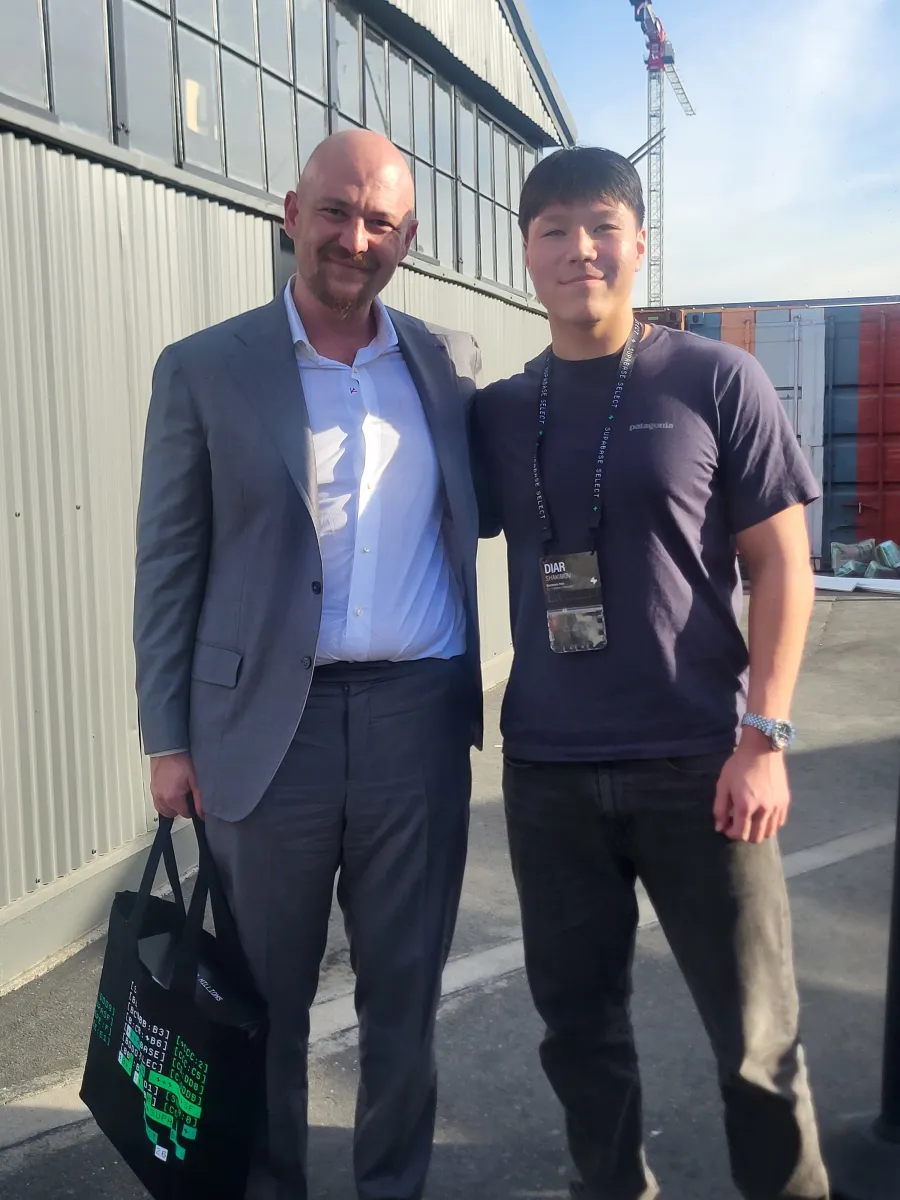
i asked Amjad Masad, the founder of Replit, why he thinks someone who started vibe coding 3 months ago might be better than someone who started 3 years ago.
my takeaway? some engineers have spent 3 years getting better at asking AI to do less.
 Diar Shakimov2 min
i asked Amjad Masad, the founder of Replit, why he thinks someone who started vibe coding 3 months ago might be better than someone who started 3 years ago.
my takeaway? some engineers have spent 3 years getting better at asking AI to do less.
1/
The problem is scar tissue.
And not knowing how to code might actually be an advantage.
People who started with early AI learned all the things it couldn't do.
So they built elaborate prompts, skill files, rules, and workarounds.
The models improved. Their habits didn't.
Amjad pointed out that even his own prompts have gotten lazier. Stronger models don't need the same micromanagement.
I've been thinking about the ambition cost of this. Not just the time wasted on unnecessary workarounds, but all the things we stop attempting because an older model convinced us they weren't possible.
2/
Here's where I disagree slightly.
Knowing how to code is an ENORMOUS advantage.
But only if you can resist the urge to micromanage implementation.
The best engineers should be able to delegate an entire outcome, recognize when the AI is wrong, and verify the result.
Their advantage isn't writing more code. It's knowing what good looks like for the use case.
3/
Now apply this to an entire engineering team.
Your models get smarter every few months.
But your company's knowledge? It gets buried in Slack, GitHub, old tickets, outdated docs, and decisions nobody remembers making.
So your agents inherit yesterday's assumptions, while your engineers keep repeating yesterday's explanations.
I wonder how much of the next leap in productivity comes from better models, and how much comes from finally questioning the limits we've gotten used to.